
27/05/2026
Inline hockey and inclusion: why being mixed until 18 also matters
Inline hockey gives many girls a real space to grow, compete and enjoy team sport. Discover why a mixed format in development stages also matters for inclusion.
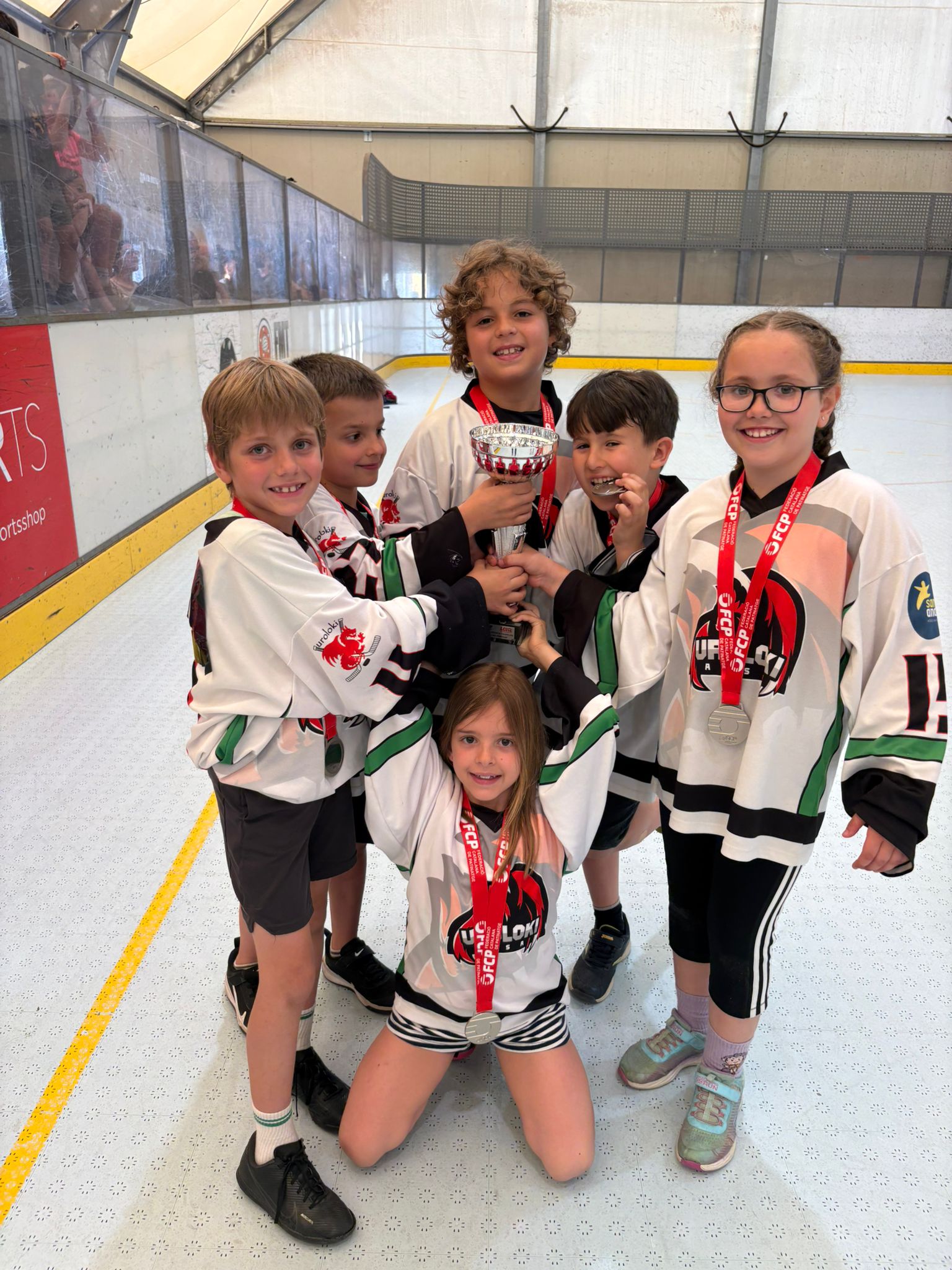
A sport where girls belong from the very beginning
When families look for sport for their daughter, a lot of inherited doubts still appear: will it feel comfortable, will there be other girls, will she really have space to learn and compete, or will she end up feeling like “the only one”? That is why it matters to talk about inclusion naturally, not as a side note.
In inline hockey, growing within a mixed environment during development stages helps normalise something that should be simple: girls and boys sharing the rink, the learning process, the effort and the sporting ambition from an early age.
It is not only about “allowing participation”. It is about truly belonging.
The value of a mixed sport during development years
When a sport is lived as mixed up to youth level, the message children receive is powerful: play, commitment and progress do not depend on gender, but on willingness to learn, hard work and team spirit.
That has very positive effects in everyday sport life:
- Girls join without feeling they are stepping into someone else’s space.
- Boys grow up understanding the rink as a shared space.
- The group learns to live, compete and respect each other naturally.
- Close role models appear from early ages.
From both an educational and sporting perspective, this offers much more than a simple “mixed” label.
Inclusion is not a last-minute adjustment
Real inclusion does not happen only because there is a girl in the team. It happens when the environment genuinely supports her: when training is normal, when players are listened to, when responsibility and visibility are shared, when the atmosphere is cared for and when everyone understands that every player is there to grow.
In a healthy club environment, a girl can start from scratch, improve her skating, gain confidence with the stick, compete and feel part of the group without having to justify her place.
That matters even more at ages when many girls leave sport because they do not find an environment where they feel comfortable, challenged and supported at the same time.
Role models, confidence and long-term continuity
One of the big challenges in children’s and youth sport is making sure girls do not stop at the beginner stage, but can imagine themselves continuing.
That requires several things:
- An environment where playing feels natural.
- Coaches who support the process well.
- Teams where girls are not only a token presence.
- Families who see sport as a real long-term option.
When a girl feels she can start, improve and continue, the way she occupies the rink changes. She is no longer “trying it to see if it fits”. She is growing as a player.
Why this also strengthens the whole group
Talking about inclusion does not only benefit girls. It improves the sporting culture of the entire team.
In a well-supported mixed group, boys learn to share leadership, effort and responsibility as something completely normal. That creates a healthier and richer idea of a team, much closer to the values many families look for in an after-school activity or club.
That becomes visible in concrete ways:
- More respect within the group.
- Fewer stereotypes.
- Better coexistence.
- A stronger sense of belonging.
Well-supported inclusion makes the whole collective stronger.
Good news for families looking for sport for girls
More and more families want to find activities where their daughters can practise sport without feeling out of place, with real space to learn, compete and enjoy it. Inline hockey can be exactly that: an intense, fun, technical and collective activity where girls also belong from the very beginning.
And when that journey happens in a mixed environment through development years, the impact goes beyond sport. It helps build confidence, autonomy, healthy ambition and more balanced team relationships.
Growing together is also part of the game
At Uroloki, we believe inline hockey is stronger when it is built with everyone and for everyone. Seeing girls and boys share the rink, medals, effort and joy is not just a nice exception: it is part of how we understand sport.
That is why we think it matters to say it clearly: if a family is looking for an activity for their daughter, inline hockey can absolutely be her place too.
If you would like to know how we approach beginner stages, you can visit our after-school page, answer common questions in how to start at Uroloki or write to us directly through contact.